
Collecting Canines
How to Display Your Dog Figurine Collection: Shelf Ideas & Styling Tips
Displaying Your Dog Figurine Collection: Where to Start
A dog figurine collection that lives in a box is a collection half-experienced. These pieces were made to be seen — handled, admired, shown off — and the pleasure of a well-arranged dog figurine display is genuine. Getting the display right takes some thought, but the principles are simple and the results are immediately gratifying.
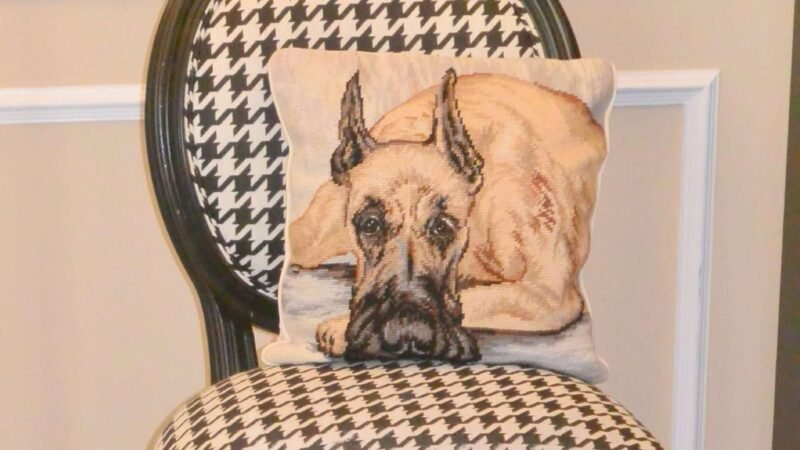
Whether you have three pieces or three hundred, the approach to displaying dog figurines is the same: create arrangements that show each piece at its best, build a visual narrative that reflects your collecting logic, and make the whole feel curated rather than accumulated.
Choosing Your Display Space
The first decision is where to display. The options each have advantages:
The best way to display dog figurine collection pieces is to group them by theme, material, or era. A well-curated display dog figurine collection creates visual coherence, tells a story, and invites closer inspection from every visitor.
Glass-fronted cabinets: The gold standard for a serious dog figurine collection. Glass-fronted display cabinets protect pieces from dust and accidental contact while allowing full appreciation of the pieces inside. The enclosed environment also offers some protection from light damage and humidity fluctuations. A well-lit display cabinet transforms a collection into a curated gallery.
Open shelving: More accessible and visually open, open shelving works well for a confident collector who handles pieces regularly. The trade-off is dust accumulation and vulnerability to accidental contact. Use book-plate-style risers to create depth and variation in height, and group pieces intentionally rather than simply filling available space.
Mantelpiece and console arrangements: Single significant pieces or small curated groups work beautifully as room focal points. A single Art Deco borzoi figurine on a mantelpiece commands a room. A matched pair of Staffordshire spaniels flanking a clock is a classic arrangement with centuries of precedent.
Mixed display: Integrating dog figurines into broader room arrangements — on bookshelves among books, on dining room sideboards alongside silver, in kitchen dressers with pottery — can be charming and reflects how these pieces were historically displayed.
Grouping and Arrangement Principles
The most effective dog figurine displays are organized by some consistent logic — not necessarily rigid, but coherent enough to create visual narrative:
By breed: Grouping all your Scotties together, all your Spaniels together, creates an immediate visual impact and makes the collection’s logic clear to any visitor. Breed groups also allow for interesting comparison — the same breed interpreted by different makers across different periods.
By maker: All your Goebel pieces together, all your Beswick together. This approach works particularly well in a glass-fronted cabinet with distinct shelves for each maker. It is also how museum and gallery displays tend to be organized, and it has the same clarifying effect.
By era: Victorian pieces together, Art Deco pieces together, mid-century American together. Era grouping creates a visual narrative of design history and shows how dog figurine aesthetics changed over time.
By size: Creating arrangements with height variation — tallest at back, smallest at front — is a basic display principle that makes every piece visible. Within any grouping, vary heights using risers, stacked books, or dedicated display stands.
Lighting Your Dog Figurine Display
Lighting transforms a dog figurine display from good to exceptional. A few principles:
Warm light (2700–3000K color temperature) brings out the warmth in porcelain glazes and the richness of painted decoration. Harsh, cool LED lighting flattens the glaze quality that distinguishes fine pieces. If you are updating the lighting in a display cabinet, look for warm-spectrum LEDs specifically designed for display use.
Backlighting or side lighting creates the raking light effect that reveals surface texture and three-dimensional form. Straight-on lighting flattens pieces; light coming from an angle shows the sculptural quality that makes the best figurines worth collecting.
Avoid direct sunlight entirely — UV light damages period paint and glaze over time, and even indirect sunlight through windows causes fading on pieces displayed nearby.
Mixing Eras and Materials
One of the pleasures of a dog figurine collection is that pieces from very different eras and traditions can live together successfully if arranged thoughtfully. A Victorian Staffordshire spaniel alongside a mid-century Mortens Studio Cocker Spaniel makes an interesting comparison. An Art Deco bronze Borzoi alongside a Rosenthal porcelain Borzoi demonstrates how two very different material traditions interpreted the same subject.
The key to mixed-era display is coherence in some other dimension — same breed, same color palette, same scale, or same aesthetic sensibility. Without some organizing principle, mixed displays tend to look accidental rather than curated.
Caring for Displayed Dog Figurines
Display is also a care decision. A few practical considerations for pieces on permanent display:
Dust carefully and regularly with a soft, clean brush — not a feather duster, which can catch on projecting elements and cause damage. Do not use water or liquid cleaners on period paint without expert guidance. Handle from the base when possible. Keep pieces away from heating vents and radiators, which create damaging humidity fluctuations.
For current pricing benchmarks and collector reference, The Spruce: Shelf Styling Tips is an invaluable resource for anyone evaluating antique and vintage ceramics.
Frequently Asked Questions About Displaying Dog Figurines
What kind of cabinet works best for a large collection?
Glass-fronted with adjustable shelving and built-in lighting. IKEA’s glass cabinet range is popular with collectors for good reason — affordable, well-designed, and available in sizes that suit most collections.
How should I arrange pieces of very different sizes?
Use risers to create tiered arrangements where smaller pieces are not obscured by larger ones. Museum-quality acrylic risers are available from display suppliers and are essentially invisible.
Can I mix dog figurines with other collectibles?
Absolutely — dog figurines mix well with related dog-themed objects (prints, bronzes, books), with other ceramics in complementary color palettes, and with period-appropriate furnishings. The key is intentionality.
Where can I find more pieces for my display?
Browse our curated dog figurines collection sorted by breed, era, and maker. Every piece is one of a kind.