
Collecting Canines
Antique Borzoi Figurines: Art Deco’s Most Elegant Dog
Antique Borzoi Figurines: Art Deco’s Most Elegant Dog
Antique borzoi figurines are among the most dramatic and visually striking objects in the entire world of dog collectibles. The Russian Wolfhound — known today by the Russian name Borzoi — combines extraordinary speed, elegant proportions, and a silky, flowing coat into a form that seems almost designed for artistic interpretation. It is no accident that the Borzoi became one of Art Deco’s signature dog subjects: the breed’s long, arching neck, deep chest, and flowing lines are practically a manifesto for the style’s preference for attenuated elegance.
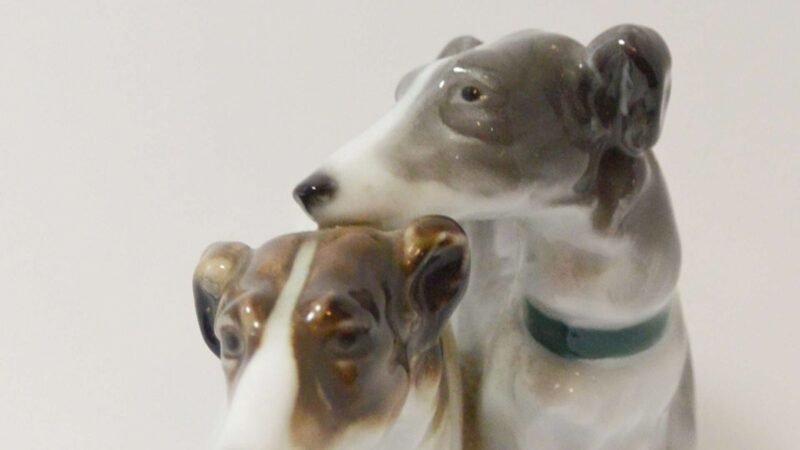
For collectors, antique borzoi figurines represent a relatively specialized focus within the broader dog collecting world — and that specialization creates opportunities. The best borzoi pieces, particularly Art Deco bronzes and fine porcelain from the interwar period, are genuinely rare and prized by multiple collecting communities simultaneously.
The Borzoi and Art Deco: A Natural Alliance
The Russian Wolfhound had been fashionable in European aristocratic circles since the nineteenth century, when Tsar Nicholas II’s famous kennels at Gatchina established the Borzoi as a symbol of imperial Russian taste. After the Russian Revolution of 1917, many Borzois were brought west by emigres, introducing the breed to Western European society at precisely the moment when Art Deco was establishing its visual vocabulary.
The alliance between the Borzoi and Art Deco style was immediate and natural. Deco’s preference for sweeping, uninterrupted line; its celebration of speed and elegance; its aristocratic, luxury-market aesthetic — all found perfect expression in the Borzoi’s form. French sculptors and ceramicists, in particular, embraced the breed enthusiastically. The result is a body of work — borzoi bronzes, borzoi ceramics, borzoi bookends, borzoi lamps — that ranks among the finest animal art of the entire Deco period.
French Art Deco Borzoi Bronzes and Metalwork
French sculptors working in bronze, spelter (zinc alloy), and other metallic materials produced some of the most celebrated antique borzoi figurines. Names to know include:
Irenée Rochard (1906–1984): One of the most accomplished French Deco animal sculptors, Rochard’s borzoi pieces are among the most sought-after in the category. His work combines precise anatomical observation with the bold, simplified forms of the best Deco sculpture. Signed Rochard bronzes command serious premiums.
Max Le Verrier (1891–1973): Le Verrier operated a prolific Paris atelier producing both bronze and spelter Deco sculptures. His borzoi pieces appear in both materials, with bronzes commanding higher values. Le Verrier pieces are typically marked with his signature and foundry mark.
Jules Edmond Masson (1871–1932): A leading French animalier sculptor whose work regularly included sighthound subjects, Masson produced borzoi pieces of exceptional naturalistic quality combined with Deco aesthetic sensibility.
Distinguishing bronze from spelter (a common confusion in the market): bronze is heavier, has a warm golden-brown tone when the patina is disturbed, and rings clearly when tapped. Spelter is lighter, more brittle, typically grey-silver in color under the patina, and has a duller ring. Both are legitimate period materials; bronze commands higher prices.
European Porcelain Borzoi Figurines
German and Austrian porcelain factories produced antique borzoi figurines of high quality across the late nineteenth and early twentieth centuries:
Rosenthal: The Rosenthal factory’s figurine program included borzoi subjects of significant quality, often produced in collaboration with major sculptors. Rosenthal borzoi pieces in the Deco style are among the most elegant German porcelain dog figurines.
Hutschenreuther: Another Bavarian manufacturer, Hutschenreuther produced borzoi figurines with the quality porcelain and careful painting that characterizes the best German ceramic animal work.
Royal Dux (Czechoslovakia): Royal Dux’s ceramic tradition, rooted in the Bohemian pottery region, produced dramatic borzoi figurines with the applied pink triangle mark that identifies their production. These pieces are typically large, sculptural, and striking.
Scandinavian producers: Royal Copenhagen and Bing & Grøndahl produced borzoi figurines in the naturalistic tradition that defines Scandinavian animal ceramics. These are among the most refined borzoi porcelain pieces available to collectors.
English Ceramic Borzoi Figurines
English potters also produced borzoi figurines, though typically at a more accessible price point than Continental European fine porcelain. Royal Doulton produced borzoi subjects within their dog figurine program; SylvaC produced earthenware borzoi pieces in their characteristic matt glazes; and various Staffordshire factories produced borzoi-influenced figures for the commercial market.
Identifying and Valuing Antique Borzoi Figurines
The rules for identifying antique borzoi figurines are those of antique dog figurines generally: examine base marks, assess material quality, evaluate painting or patina, and look for condition issues that affect value. For bronze pieces, research the specific sculptor’s signature and the foundry mark; signed bronzes by documented Deco sculptors command the highest premiums.
Condition matters particularly in bronze — original patina is highly valued by collectors, and cleaned or re-patinated bronzes are worth less than pieces with original surfaces intact. For porcelain, the usual standards apply: original glaze and paint, no chips or repairs, maker mark present and legible.
For current pricing benchmarks and collector reference, AKC: Borzoi Breed Information is an invaluable resource for anyone evaluating antique and vintage ceramics.
Frequently Asked Questions About Antique Borzoi Figurines
Why did the Borzoi become such a prominent Art Deco subject?
The breed’s elongated form, flowing lines, and aristocratic associations fitted perfectly with Art Deco’s aesthetic preferences. The arrival of Borzois in Western Europe via Russian emigres coincided exactly with the movement’s development in the early 1920s.
Is spelter as collectible as bronze?
Spelter is period-correct and entirely legitimate as an antique material — many significant Deco pieces were produced in spelter, including by major sculptors. Bronze commands higher prices, but fine spelter pieces are genuinely collectible in their own right.
What is the price range for antique borzoi figurines?
The range is enormous: small earthenware borzoi pieces can be found for under $100; fine Scandinavian porcelain runs $200–$1000 depending on maker and condition; signed French bronzes by documented sculptors can reach several thousand dollars.
Where can I find antique borzoi figurines?
Browse our borzoi collectibles and our Art Deco dog figurines collection. Borzoi pieces appear regularly and are always listed individually with full condition descriptions.
Ready to add a handpicked piece to your own collection? Browse our curated selection of Art Deco dog figurines — each item chosen for authenticity, condition, and collector appeal.