
Collecting Canines
Vintage Yorkshire Terrier Figurines: Goebel, Beswick & Collector’s Guide
Vintage Yorkshire Terrier Figurines: A Collector’s Guide
Vintage Yorkshire Terrier figurines occupy a sweet spot in the world of dog collecting — specific enough to attract dedicated breed fans, yet varied enough across makers and materials to sustain a serious collector’s pursuit over years. The Yorkshire Terrier, with its fine silk coat, bold personality, and elegant carriage, has been a subject for ceramic artists since the breed’s establishment in Victorian England, and the range of figurines produced from the late nineteenth century through the mid-twentieth century reflects both the breed’s enduring popularity and the craft traditions of the major European ceramic producers.
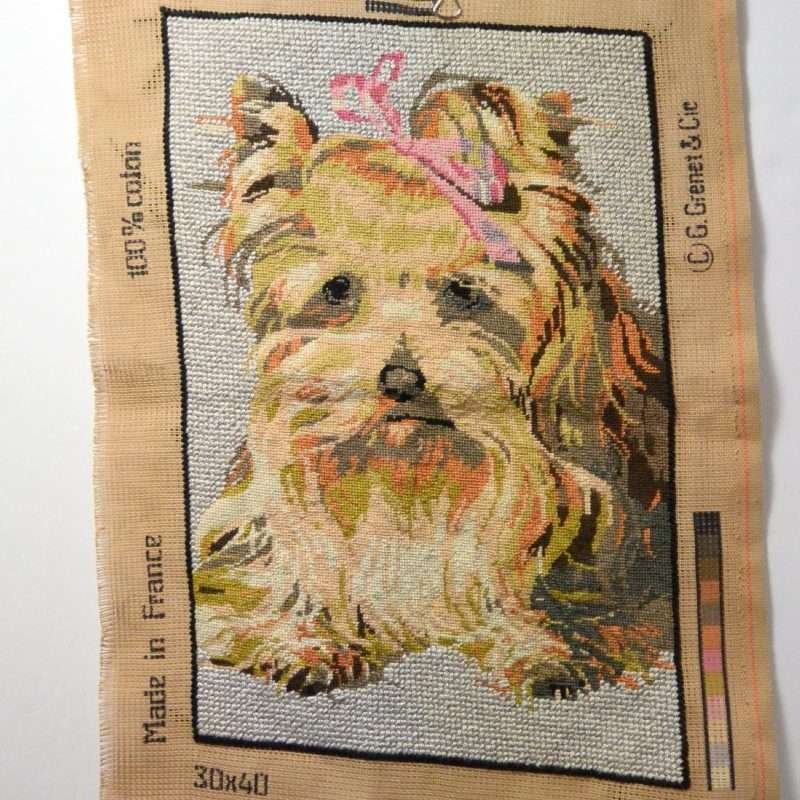
Whether you are a Yorkie owner looking for pieces that celebrate your breed, or a collector drawn to the intersection of fine ceramics and canine subjects, vintage Yorkshire Terrier figurines offer rich material to work with.
The Yorkshire Terrier in Victorian and Edwardian Ceramics
The Yorkshire Terrier was developed in northern England during the mid-nineteenth century, emerging from crosses between working terrier breeds brought by Scottish weavers to Yorkshire. By the 1870s, the breed had been recognized and refined into the elegant, long-coated companion animal that Victorian society prized — a dog that combined the terrier’s spirit with a silky, floor-length coat of blue and tan that was genuinely spectacular.
Victorian and Edwardian ceramic artists responded to the breed’s popularity. English Staffordshire potteries produced Yorkshire Terrier figurines alongside their broader dog catalog, though the fine coat that makes a real Yorkie so striking presented challenges for ceramic interpretation. The most successful Victorian Yorkie figurines capture the breed’s essential character — the bright, alert expression, the bold stance — while simplifying the coat into a manageable ceramic interpretation.
Goebel Yorkshire Terrier Figurines
Goebel’s Yorkshire Terrier figurines are among the most consistently sought-after in the category. The W. Goebel Porzellanfabrik, whose animal figurine program spanned the twentieth century in parallel with their famous Hummel productions, brought a quality of naturalistic observation to dog figurines that is particularly evident in their Yorkie pieces.
Goebel Yorkie figurines typically show the breed in characteristic poses — seated and alert, standing and watchful — with the long, silky coat rendered in careful painted detail. The blue-and-tan coloring that defines the show-quality Yorkshire Terrier is handled with the kind of careful gradation that distinguishes quality Goebel animal painting from lesser German manufacturers. Date the piece using the TMK (trademark) system: crown WG marks pre-date 1935; the various bee and stylized marks span 1935–1979; later marks indicate post-1980 production.
Beswick Yorkshire Terrier Figurines
John Beswick & Sons produced one of the most beloved Yorkshire Terrier figurines in the English ceramic tradition. Beswick’s Yorkie figurines exhibit the naturalistic quality that characterizes their entire animal range — carefully observed anatomy, accurate coat color, and an expression that captures the breed’s combination of elegance and terrier spirit.
Beswick’s Yorkshire Terrier model (typically shown standing, in show coat) is a classic of English ceramic animal sculpture. The piece appeared in various sizes and colorways across the production history, and all versions are actively collected. The “Beswick England” backstamp and any model number present can be cross-referenced with the published Beswick catalogs that have been compiled by the active collector community.
Royal Doulton Yorkshire Terrier Figurines
Royal Doulton, which acquired Beswick in the 1960s, continued Beswick’s dog figurine program and added Yorkshire Terrier subjects under the Royal Doulton brand. HN numbers provide precise identification for Royal Doulton Yorkie pieces, and the collector literature for Royal Doulton is sufficiently comprehensive that any specific piece can be identified and dated with confidence.
Royal Doulton also produced Yorkshire Terrier pieces in their bone china tradition — a different aesthetic from the Beswick earthenware pieces but equally compelling, with the translucent quality of fine bone china bringing an additional delicacy to the breed’s representation.
Scandinavian Yorkshire Terrier Figurines
Royal Copenhagen and Bing & Grøndahl, the great Danish manufacturers of naturalistic animal ceramics, included Yorkshire Terrier subjects in their catalogs. Scandinavian Yorkie figurines share the qualities that make all Scandinavian animal ceramics desirable: exceptional paint quality, careful anatomical observation, and glazes of remarkable depth and warmth. These pieces are typically more scarce than their German or English equivalents and command premium prices in collector markets.
Condition and Display for Vintage Yorkie Figurines
The long, flowing coat that makes a Yorkshire Terrier so visually distinctive also makes ceramic interpretations vulnerable — the painted coat detail is typically the first element to show wear, and pieces with original, undisturbed paint in the coat areas are significantly more valuable than worn examples. Check the extremities (paws, ears, tail) carefully for chips and repairs when evaluating any vintage Yorkie piece.
Display Yorkshire Terrier figurines with some space around each piece — their long coat detail rewards close examination, and crowded arrangements obscure the quality that makes the best pieces so appealing.
For current pricing benchmarks and collector reference, AKC: Yorkshire Terrier Breed Information is an invaluable resource for anyone evaluating antique and vintage ceramics.
Frequently Asked Questions About Vintage Yorkshire Terrier Figurines
Which makers produce the most sought-after Yorkie figurines?
Beswick, Goebel, Royal Copenhagen, and Royal Doulton are the most actively collected. Scandinavian pieces command the highest premiums at the quality end of the market.
How can I identify a Beswick Yorkie model?
Check for the “Beswick England” backstamp and any model number. Cross-reference the model number with the published Beswick catalogs available from collector societies and reference publishers.
Are puppy Yorkie figurines as collectible as adult figures?
Puppy figures are charming and do attract collectors, but adult figures in full show coat represent the more active collecting category for most enthusiasts.
Where can I find vintage Yorkshire Terrier figurines?
Browse our Yorkshire Terrier collectibles and explore our full range by maker. Our team sources Yorkie pieces specifically and updates the collection regularly.
Ready to add a handpicked piece to your own collection? Browse our curated selection of antique dog figurines — each item chosen for authenticity, condition, and collector appeal.