
Collecting Canines
Antique Scottie Dog Figurines: Morgan Dennis, Art Deco, and Collecting Guide
Antique Scottie Dog Figurines: A Breed That Defined an Era
Antique Scottie dog figurines hold a unique place in the history of decorative arts. No other breed was more thoroughly absorbed into the visual culture of the 1920s through 1950s — appearing on everything from salt and pepper shakers to bookends, from fine porcelain to cast iron, from Bakelite jewelry to cigarette cases. The Scottish Terrier, compact and angular with its distinctive silhouette, suited the geometric aesthetic of Art Deco perfectly and became one of the defining dog motifs of the mid-twentieth century.
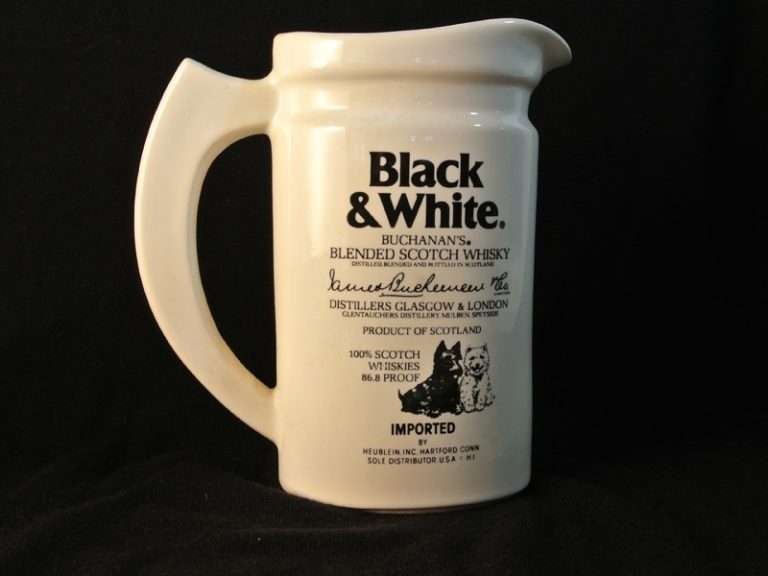
Today, antique Scottie dog figurines are actively collected across multiple overlapping categories — dog figurine collectors, Art Deco collectors, Scottie breed enthusiasts, and folk art collectors all pursue these pieces. That broad collector base keeps demand healthy and the market interesting.
Morgan Dennis and the Scottie Dog in American Culture
No discussion of Scottie dog collectibles is complete without Morgan Dennis (1892–1960), the American illustrator whose sympathetic, warmly observed dog paintings gave the Scottie a cultural resonance that transcended breed fandom. Dennis, who owned a series of Scottish Terriers himself, created some of the most recognizable dog imagery of the mid-twentieth century — his Scotties in particular had a personality and expressiveness that made them feel like individual portraits rather than generic breed representations.
Dennis’s illustrations appeared in widely circulated magazines, in children’s books, and in advertising, exposing his dog imagery to millions of American readers. His Scotties — usually shown in characteristic alert poses, with their dense black coats and prominent eyebrows — became the visual standard against which decorative Scottie objects were measured. Collectors who appreciate the illustrated arts connection find Morgan Dennis prints and related ephemera a natural complement to three-dimensional Scottie figurines.
The Scottie and Art Deco: A Perfect Match
The Scottish Terrier’s geometry — the square, blocky body, the angular beard, the upright ears, the strong profile — translated perfectly into Art Deco’s preference for stylized, simplified forms. While many breeds required significant artistic intervention to work in the Deco aesthetic, the Scottie was practically Deco by nature.
The result is that Art Deco Scottie dog figurines are among the finest and most varied in the category. German and Austrian porcelain factories produced elegant Deco Scotties in bold black glazes. English potteries — SylvaC, Wade, and others — produced their own Scottie interpretations in the earthenware tradition. French metalwork ateliers created bronze and spelter Scotties in fully stylized Deco forms. The variety is extraordinary and the quality at the top of the market is very high.
The FDR connection adds an additional layer of historical interest: President Franklin D. Roosevelt’s Scottish Terrier Fala was the most famous dog in America during the 1930s and early 1940s, and the breed’s association with the White House reinforced its cultural centrality. Scottie dog objects from the 1930s and 1940s were made in an environment saturated with Scottie imagery at the highest levels of American public life.
Types of Antique Scottie Dog Figurines
Fine porcelain Scotties: German factories including Rosenthal, Goebel, and various Thuringian manufacturers produced Scottie figurines in hard and soft-paste porcelain. These range from fully naturalistic breed portraits to stylized Deco interpretations. Quality varies significantly — examine carefully for maker marks and painting quality.
English earthenware Scotties: SylvaC, Wade, Royal Doulton, and numerous Staffordshire factories produced Scottie figurines in glazed earthenware. SylvaC Scotties in particular — typically in green, brown, or black matt glazes — are among the most recognizable and actively collected English dog figurines of the period.
Cast iron Scottie bookends and doorstops: The Scottie appears frequently in American cast iron folk art — bookend pairs, doorstops, and decorative objects. These pieces, particularly in original paint, are among the most sought-after Scottie objects for American folk art collectors.
Chalkware Scotties: American chalkware carnival prizes featuring Scottie dogs are charming and actively collected, particularly in larger sizes with bold original paint intact.
Ceramic novelty Scotties: Salt and pepper sets, condiment holders, ashtrays, and various novelty items featuring Scottie dogs were produced in enormous quantities from the 1930s through 1950s. These pieces are accessible, charming, and often underpriced relative to their visual appeal.
Identifying and Dating Antique Scottie Figurines
Authentication for Scottie figurines follows the same principles as antique dog figurines generally: examine the base mark, assess the porcelain or earthenware quality, and examine the painting quality. For the English pieces, research the specific factory marks for SylvaC, Wade, and Staffordshire producers — these are well-documented and relatively straightforward to date.
For cast iron pieces, original paint is the key condition factor. Cast iron Scottie doorstops in full original paint are scarce and valuable; repainted examples are common and less so. UV light can help distinguish original from later paint.
For current pricing benchmarks and collector reference, AKC: Scottish Terrier Breed Information is an invaluable resource for anyone evaluating antique and vintage ceramics.
Frequently Asked Questions About Antique Scottie Dog Figurines
Who was Fala?
Fala was President Franklin D. Roosevelt’s Scottish Terrier, companion to FDR from 1940 until the President’s death in 1945. Fala became one of the most famous animals in American history and a symbol of the breed’s cultural peak. A statue of Fala accompanies the FDR Memorial in Washington, D.C.
Are black Scottie figurines more common than other colors?
Yes — the Scottish Terrier’s typical black coat dominates figurine production. Wheaten and brindle-colored representations exist but are less common. The high contrast of black against light bases makes black Scotties particularly effective decorative objects.
What is SylvaC?
SylvaC is the trade name of Shaw & Copestake, a Staffordshire pottery that produced a wide range of animal figurines from the 1930s through the 1980s. Their Scottie dogs — typically in matt green, brown, or black glazes — are among the most recognizable and collected English dog figurines of the period.
Where can I find antique Scottie dog figurines?
Browse our Scottish Terrier collectibles and our Art Deco dog figurines collection for currently available pieces.
Ready to add a handpicked piece to your own collection? Browse our curated selection of vintage dog figurines — each item chosen for authenticity, condition, and collector appeal.