
Collecting Canines
Antique Dog Figurines as Gifts: The Collector’s Guide to Giving
Why Antique Dog Figurines Make Exceptional Gifts
Antique dog figurines are among the most thoughtful and personal gifts you can give to a dog lover, a collector, or anyone who appreciates objects with genuine history and craftsmanship behind them. Unlike a generic gift, an antique dog figurine is inherently one of a kind — there is no other exactly like it in the world. It carries a story, an era, a maker’s skill. And when it matches the recipient’s breed, that personal dimension elevates it further.
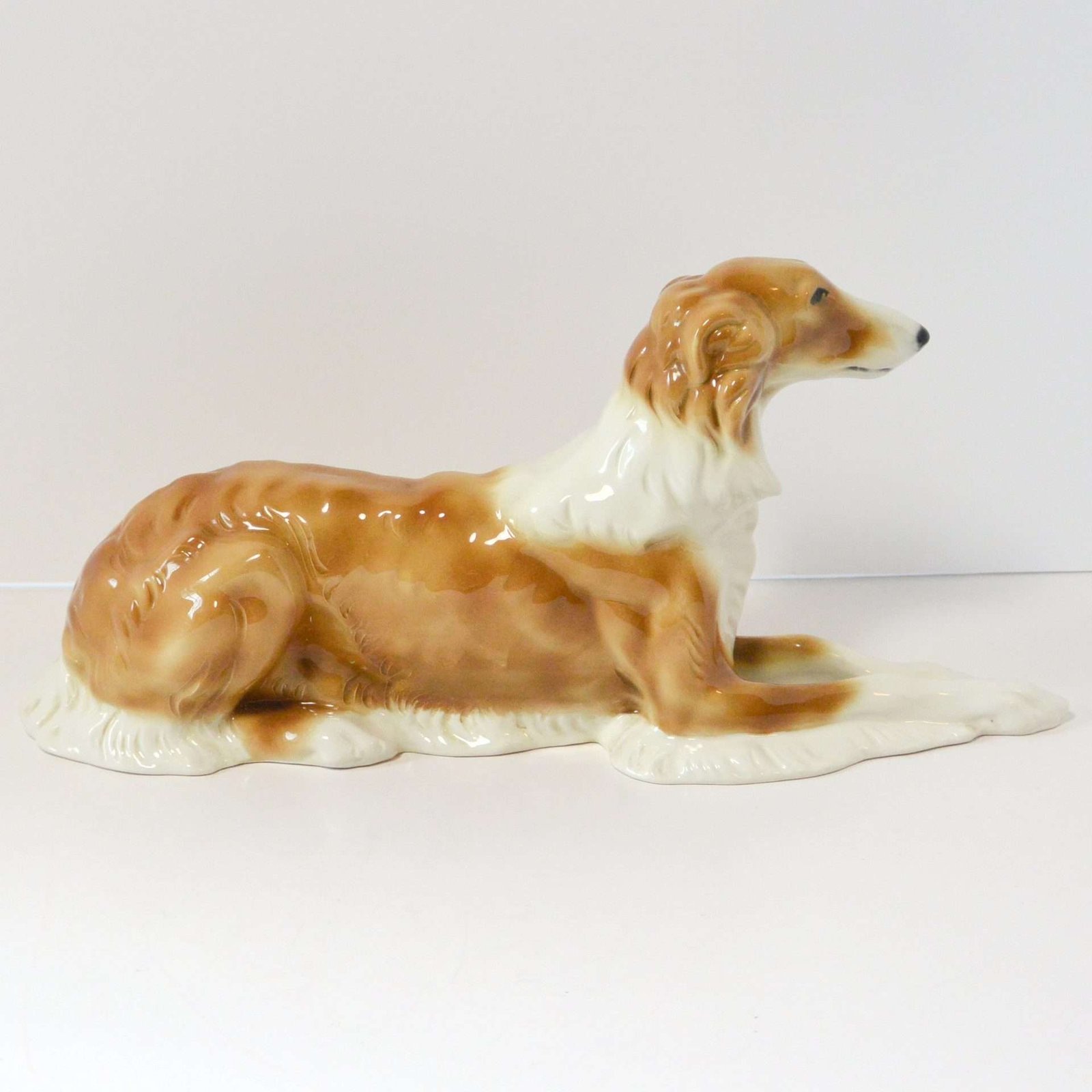
Gift-giving and dog collecting have been connected for as long as the objects have existed. Victorian dog fairings were literally fair prizes and gifts. Mid-century American ceramics were given as housewarming and birthday presents. The tradition is long-established and the sentiment genuine — a carefully chosen antique dog figurine says more than most gifts can.
Matching a Gift to the Recipient
For breed enthusiasts: If you know the recipient owns or loves a particular breed, a figurine of that breed — in the best quality you can find — is the ideal gift. Focus on condition: a smaller, excellent-condition piece outperforms a larger, damaged one every time.
For collectors: Research before you buy. An active collector has specific interests — a maker they focus on, an era they collect, breeds they pursue — and a gift that fits their collecting logic demonstrates attention and understanding. A piece outside their focus is well-intentioned but less resonant.
For non-collectors who love dogs: Choose something approachable and charming rather than specialist. A well-condition mid-century piece, a charming pair, or a piece with a clear narrative (a clear breed, an appealing pose) works better than something whose appeal depends on specialist knowledge the recipient doesn’t have.
Quality Over Quantity
The single most important principle for gift-giving in antique dog figurines: prioritize quality over size or price. A smaller piece in excellent original condition — no chips, no repairs, paint fully intact — is a better gift than a larger piece with damage issues. Condition is what collectors and knowledgeable recipients notice first, and good condition is increasingly hard to find.
Buy from dealers who describe condition honestly and fully. If a dealer cannot or will not specify the condition details of a piece, find another source. A gift that turns out to be damaged when examined closely is worse than a less ambitious gift in perfect condition.
Presentation Matters
Antique dog figurines deserve thoughtful presentation. A piece arrived in tissue paper in a plain box is fine; the same piece in appropriate packaging with a card that describes the piece — its maker, its era, a note about why it was chosen — transforms a gift into an experience. Include what you know about the piece: collector context, history, what makes it special.
Where to Find the Right Gift Piece
The best antique dog figurine gifts come from dealers who specialize in the category and describe condition accurately. Browse our curated antique dog figurines collection by breed, era, and maker. Every piece is one of a kind, condition-described, and wrapped with care.
For current pricing benchmarks and collector reference, Kovels’ Price Guide is an invaluable resource for anyone evaluating antique and vintage ceramics.
Frequently Asked Questions
What budget should I plan for a quality antique dog figurine gift?
Quality pieces in good condition start from around $50–$75 for accessible mid-century ceramics, and rise significantly for rarer makers and earlier periods. The best value gifts are often mid-century American (Mortens Studio, Goebel) in excellent condition — accessible price, high quality, strong visual appeal.
Can I have a piece shipped safely?
Yes, from reputable dealers who know how to pack ceramics. Double-boxing with appropriate cushioning is standard practice. Insurance is wise for valuable pieces.
Does the piece need to match their exact dog’s color?
For breed fans, the right breed in any color is typically received well. For the most personal gifts, the right breed in the right color — a black Scottie for a black Scottie owner — is ideal when you can find it.