
Decorating with Dogs, Collecting Canines
Decorating With Vintage Dog Figurines: Room-by-Room Guide
Decorating With Vintage Dog Figurines
Decorating with vintage dog figurines is one of the most personal and rewarding forms of interior styling — and one that doesn’t require a decorator’s budget or an expert’s knowledge to do well. These pieces have been displayed in homes for centuries precisely because they work: they bring character, warmth, and the quiet pleasure of objects made by hand for people who loved dogs. Getting started is easier than you might think.
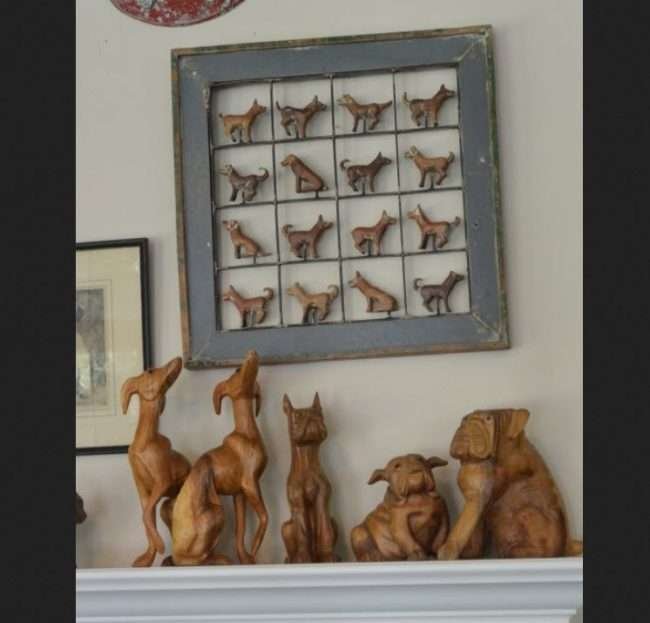
This guide covers the key principles of decorating with vintage dog figurines, room-by-room display ideas, and practical advice on mixing eras, materials, and breeds in arrangements that feel intentional rather than accidental.
The First Principle: Intention Over Accumulation
The difference between a display of vintage dog figurines that feels curated and one that feels cluttered is intention. A curated display tells a visual story — this is my breed, or this is my era, or these are the makers I love. An accumulated display simply fills available space.
The easiest way to bring intention to a dog figurine display is to choose one organizing principle and apply it consistently within each display space: all one breed together; all one maker; all one era; all one material. You don’t need to apply the same principle in every room, but within each defined display space, consistency creates coherence.
Room-by-Room Display Ideas
Living room and sitting room: The living room is typically the showcase space for a collection. A glass-fronted display cabinet with warm internal lighting is the ideal solution for a significant collection — it protects pieces from dust and accidental contact while creating a gallery effect that rewards close examination. For smaller arrangements, a mantelpiece pair of matched figurines (two Staffordshire spaniels, two Art Deco Scotties) is a classic that works in virtually any setting. A single significant piece — an Art Deco borzoi, a fine porcelain pair — as a room focal point can be more effective than a crowded arrangement.
Study and library: Books and dog figurines have a long and happy relationship. Bookend figurines — a matching pair of dogs used to support a section of books — are a practical and charming solution. Dog figurines interspersed among books on an open shelf create a warm, personal aesthetic that suits the study environment well. Small figurines on a desk or window ledge add character without dominating the workspace.
Dining room: The dining room sideboard is a traditional location for display pieces, and dog figurines work beautifully here — particularly pairs and groups. A dining room display benefits from a slightly more formal arrangement: symmetrical pairs, consistent material (all porcelain, or all bronze), or a specific era that relates to the furniture style in the room.
Bedroom: The bedroom is the right place for the most personal pieces — the breed that matches your own dog, the piece you found on a particularly memorable search, the figurine that was a gift. Scale matters more in the bedroom: smaller, more intimate pieces work better than large-scale statements.
Hallway and entryway: The first impression. A single strong piece — a dramatic Art Deco greyhound, a Staffordshire spaniel pair — on a console table or hall table sets the tone for the collection that visitors will encounter throughout the house.
Mixing Eras and Materials Successfully
The most interesting dog figurine displays often mix eras and materials, but this requires a unifying element to prevent the arrangement from feeling incoherent. Effective mixing strategies:
Unified by breed: All your Borzois together — the 1890s Rosenthal porcelain, the 1930s French Art Deco bronze, the 1950s Scandinavian figurine — creates a compelling visual argument about how a single subject has been interpreted across time and tradition.
Unified by color palette: Mixing pieces that share a dominant color — all cream and white pieces together, all black pieces together — creates visual harmony even across very different eras and materials.
Unified by scale: A display of miniature figurines — all small pieces from different makers and eras — can be charming and allows a much broader range of pieces to coexist than full-size arrangements would permit.
Practical Display and Care Notes
A few practical considerations for anyone decorating with vintage dog figurines:
Keep pieces out of direct sunlight — period paint and glaze are more vulnerable to UV damage than they appear. Use appropriate lighting (warm-spectrum LED or incandescent) to show the glaze quality that distinguishes fine pieces. Dust regularly with a soft brush. Handle from the base when moving pieces. Never use liquid cleaners on period paint without expert guidance.
For current pricing benchmarks and collector reference, The Spruce: Displaying Collectibles is an invaluable resource for anyone evaluating antique and vintage ceramics.
Frequently Asked Questions
How many pieces are too many for one display space?
There is no fixed answer, but crowding reduces the visual impact of each individual piece. As a rough guide, allow enough space around each piece that it can be appreciated individually rather than just as part of a mass.
Do I need to match the style of my room to my figurines?
No — contrast can work as well as harmony. Art Deco figurines against a traditional interior can be striking. Victorian Staffordshire in a contemporary space creates interesting tension. What matters is intentionality.
Where can I find new pieces to add to my display?
Browse our vintage dog figurines collection organized by breed, era, and maker. We update inventory regularly — every piece is one of a kind.